The Department of Education (DepEd) in the Philippines is making big changes to how classroom observations are done. Instead of long full‑period checks that make teachers nervous, the new plan uses short 5–10‑minute walkthroughs and cooperative methods. The goal is to support teachers better and focus on improving teaching, not punishing educators.
This article explains the changes clearly, why they matter, and how they can help both teachers and learners. We use simple language so students, parents, and teachers can easily understand this important update.
Why DepEd Is Changing Classroom Observations
For many years, DepEd required classroom observations that could last a whole class period. These long checks were sometimes stressful for teachers. Many educators felt anxious or pressured during these evaluations.
DepEd listened to the concerns from teachers across the country. They found that high‑stakes classroom observations—where a single observation could affect a teacher’s performance rating—caused stress. This stress did not help teachers grow. Instead, it made them afraid of making mistakes.
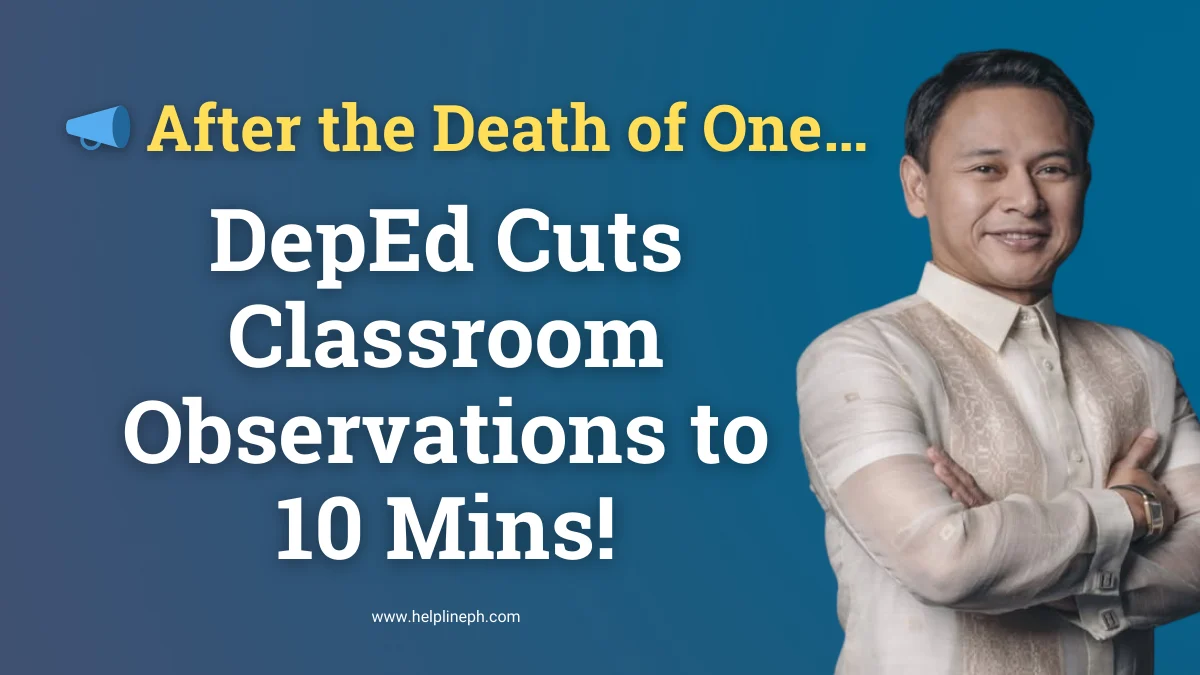
Education Secretary Sonny Angara said the department will not stop class observations completely. Instead, DepEd wants to transform how observations are done so they become helpful rather than fear‑based.
What the New Observation System Includes
DepEd’s new classroom observation policy focuses on teacher well‑being and meaningful feedback. The new methods include:
1. Walkthrough Observations (5–10 Minutes)
Short, focused visits to classrooms will replace most long observations. These 5–10‑minute walkthroughs give a quick look at lessons without interrupting the whole class period.
This makes teachers feel more relaxed and less judged. It also gives observers a chance to see many classes over time rather than one long session.
2. Instructional Rounds
Instructional rounds are team‑based visits where teachers observe each other. Instead of a principal or supervisor being the only one to observe, teachers help each other learn and improve.
This builds trust and teamwork. Teachers can share tips, ask questions, and reflect together on how to improve lessons.
3. Data‑Based Feedback
Feedback will be based on data and reflection, not fear. Observers will give useful comments that help teachers grow. Teachers can use this feedback to adjust their teaching methods and support students better.
Instead of saying what a teacher did wrong, the focus is on what went well and what can be developed next.
4. Limited Full Observations
Full‑period observations (the long kind) will still happen, but only when necessary. For example, when a teacher needs more support or when specific concerns arise.
This means fewer full observations and more thoughtful use of this tool.
Why These Changes Matter
DepEd’s new system helps in many ways:
Better Teacher Support
Short walkthroughs and collaborative observation help teachers feel supported, not judged. When teachers work together, they build stronger skills.
Less Stress and Anxiety
Removing the “high‑stakes” feeling helps teachers focus on teaching instead of worrying about being evaluated. This supports mental peace and creates a positive school environment.
Improved Teaching Quality
With less pressure and more constructive feedback, teachers can focus on improving their lessons. Students also benefit when teachers are confident and well supported.
Stronger Teacher Community
Instructional rounds encourage teachers to work as a team. They can learn from each other and create a culture of shared improvement.
What Secretary Angara Said
Secretary Sonny Angara emphasized that classroom observations are still important. They help improve teaching quality and student learning.
But the purpose should be support, not punishment.
“We are not suspending classroom observation because it is important for teaching quality and learner outcomes,” Angara said. “What we are changing is the system—from high‑stakes to more humane and supportive approaches.”
He stressed that the new system aims to protect teachers’ peace of mind. Angara also thanked teachers who spoke up about their concerns. Their feedback helped shape the new policy.
Alignment with the President’s Vision
DepEd’s changes also reflect guidance from President Ferdinand “Bongbong” Marcos Jr. The President directed DepEd to take care of teachers and ensure a respectful working environment for educators.
By reforming classroom observations, the department aligns with this nationwide goal of supporting public school teachers.
What Teachers Think About the Reform
Many teachers feel hopeful about the new changes. Here are common positive responses:
- Less pressure during class observations
- More time to focus on teaching and learning
- Opportunities to work together with peers
- Constructive feedback that helps improve lessons
Some teachers also say they look forward to more professional learning opportunities because the new system encourages reflection and support.
What This Means for Students
Students benefit indirectly from these reforms too. When teachers feel supported and less stressed, they can:
- Teach more effectively
- Create better classroom environments
- Focus on student learning needs
- Respond to challenges with confidence
Better teacher support often leads to improved student outcomes.
How Schools Will Put This Into Practice
DepEd will release detailed guidelines for the new observation system. These guidelines will help school leaders and supervisors apply the changes properly.
Steps schools may take include:
- Training observers on how to conduct short walkthroughs and give useful feedback
- Setting schedules for regular but small observation visits
- Creating feedback tools focused on growth and development
- Organizing peer observation teams
- Using data to track improvements over time
DepEd said these guidelines are not final yet. They will continue to gather input from teachers and school leaders to make sure the system works well.
DepEd’s Open Invitation for Feedback
DepEd is still asking teachers, school administrators, and the public to share suggestions. The department wants to make sure the new method works for real classroom situations.
This openness shows that DepEd values teacher voices and wants to build a system that helps everyone succeed.
Conclusion
DepEd’s move from full‑period observations to short walkthroughs and collaborative methods is a major shift in educational policy. It aims to reduce stress on teachers and focus on helpful, supportive feedback. This new approach aligns with the needs of educators and fosters positive professional growth.
Teachers, students, and schools may benefit from a more respectful classroom evaluation system. With these changes, DepEd hopes to strengthen the quality of teaching and learning in the Philippines.
Conclusion
What is a classroom observation?
A classroom observation is when a school leader or peer watches a teacher teach to help improve teaching quality.
Why did DepEd change how observations are done?
DepEd made changes to reduce stress on teachers and build a system that supports growth, not punishment.
What are walkthrough observations?
Walkthrough observations are short, 5–10‑minute visits to the classroom to see teaching practices briefly.
Will full‑period observations still happen?
Yes, but only when necessary and not for every teacher.
How will feedback be given to teachers?
Feedback will be based on data and reflection. It will focus on helping teachers improve rather than criticizing them.
Who helped shape the new observation policy?
Teachers who raised their concerns, DepEd leadership, and guidance from the President all shaped the policy