The GSIS Balik Ginhawa Program is one of the most talked-about GSIS updates this month, and I can see why. Many government workers and pensioners need fast cash for daily needs, family expenses, school costs, medicine, transport, and sudden bills. This program tries to help by giving back up to three months of loan payments through a direct refund, while regular deductions still go on. GSIS rolled it out in early April 2026, and the refund covers loan payments from December 2025 to February 2026.
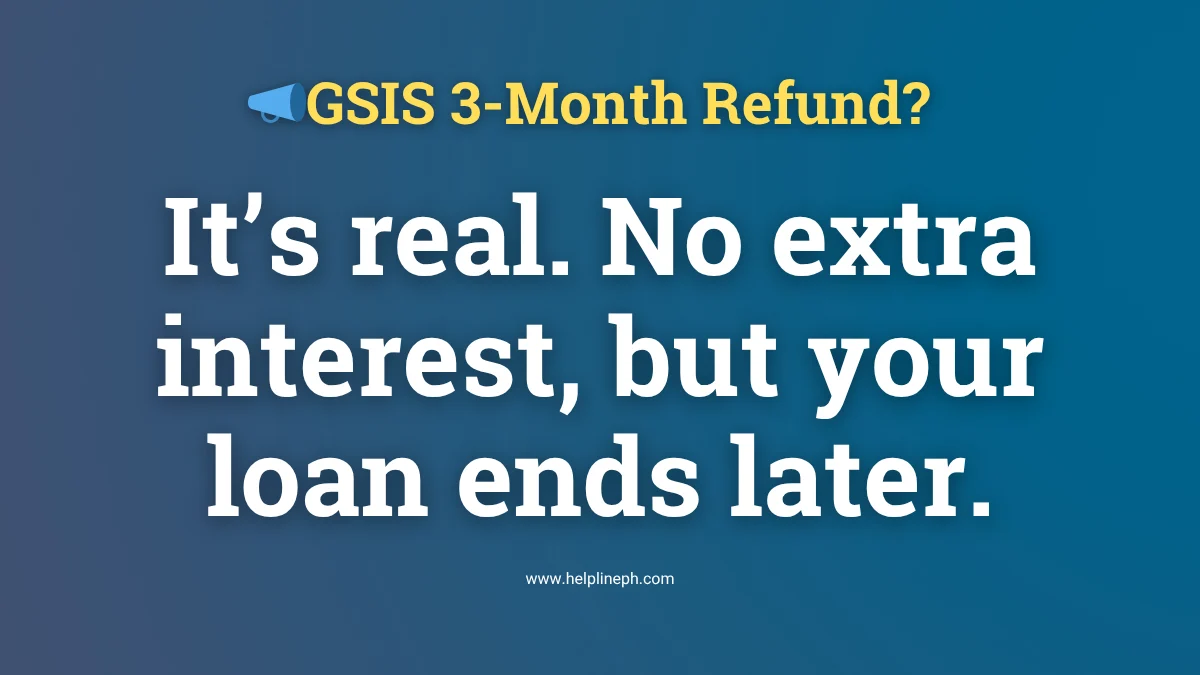
What makes this program different is its setup. In a usual loan moratorium, payments pause for a time. Under Balik Ginhawa, deductions do not stop. Instead, GSIS sends back the value of up to three months of amortizations in one refund, giving members money they can use right away. The loan term is then moved by three months, with no added interest or penalties.
I think this matters because many people do not need a long process. They need breathing room now. A direct refund can help a parent pay school costs, cover groceries, buy fuel, or handle a medical need before the next salary comes in. That is the real heart of the GSIS Balik Ginhawa Program: quick cash flow without breaking the loan record. This is also a voluntary program, so members who want to keep the old payment plan and finish earlier may simply choose not to join.
What Is the GSIS Balik Ginhawa Program?
The GSIS Balik Ginhawa Program is a loan moratorium through refund. That means GSIS keeps collecting the regular monthly loan payments, but it returns the value of eligible payments for the covered period straight to the borrower’s account. Instead of stopping deductions, GSIS gives the borrower a lump-sum refund for those months.
The covered months are December 2025, January 2026, and February 2026. If a member or pensioner made payments during that time, the refund amount will depend on how many of those payments were made. Some may get one month back, some two, and some three.
GSIS said the program aims to give financial relief while keeping the loan account in order. That is a big part of why the design looks different from the older kind of moratorium. The member gets cash now, but the payment flow of the system stays steady. From a practical view, that can help both the borrower and the fund.
Why the GSIS Balik Ginhawa Program Matters
I like to look at public service programs in plain terms: Will this help real people this week, not just in theory? In this case, the answer looks like yes.
A lot of workers live from one pay period to the next. Even a small gap in cash can feel heavy. A child gets sick. A fare budget grows. A home bill lands at the wrong time. In moments like that, a refund of loan payments already made can feel like a lifeline. That is why the GSIS Balik Ginhawa Program may matter to many families.
It also helps that there are no added interest charges or penalties tied to the three-month extension. That point is very important. A refund sounds good, but people also want to know the cost later. Based on reports from GSIS and major news groups, the extension is for three months without extra interest or penalties.
Another reason this program stands out is scale. GSIS said it is set to release more than ₱19 billion to around 1.37 million members and pensioners under Balik Ginhawa. That tells me this is not a tiny pilot. It is a large relief move with wide reach.
How the GSIS Loan Moratorium Through Refund Works
Let me put the process in very simple terms.
1. Your regular loan deduction still goes on
Your salary or pension-based loan deduction does not stop. This is not a full payment pause.
2. GSIS refunds the covered payments
GSIS gives back the value of the eligible loan amortizations for the covered months. The money goes to the member’s account for immediate use.
3. Your loan term gets longer by three months
Because you received that refund, the loan term is extended by the same number of months covered.
4. There is no extra interest or penalty
This is one of the strongest points of the program. Members are not being charged new interest or penalties for the extension under this setup.
5. Joining is your choice
The program is optional. No one is forced to take it. If you want to keep paying under the old loan term, you may skip it.
That mix of features makes the GSIS loan moratorium through refund easier to understand. It is not “stop paying now.” It is closer to “keep the loan system steady, but give borrowers cash relief now.”
Who May Benefit Most From the GSIS Balik Ginhawa Program?
I think the people who may gain the most are those who need short-term cash support but do not want a more complex loan problem later.
This may include:
Members with urgent family costs
School fees, rent, home bills, and food costs do not wait. A refund can help cover these right away.
Pensioners with health and daily living expenses
Older borrowers may face medicine costs, checkups, or household expenses that need cash now rather than later.
Borrowers who want relief without extra charges
The lack of added interest or penalties makes the offer easier to consider for people who are careful about long-term cost.
People who want a simple app-based filing process
GSIS says the filing is done through the GSIS Touch app, which makes the request easier for many users who already use the app for member services.
Still, the right choice will depend on each person’s budget. Some borrowers may prefer to stay with the original loan term so they can finish earlier. That is why the voluntary part of the program matters so much.
Step-by-Step: How to Apply Through the GSIS Touch App
GSIS said applications for Balik Ginhawa are filed through the GSIS Touch mobile app. Reports on the program point to these basic steps: log in, open the loan request section, choose the Loan Moratorium Through Refund option, review your data, pick the eligible loans, and submit the request.
Here is the process in simple English:
Open the GSIS Touch app
Sign in to your account first. Make sure your app is updated so you can see the latest menu items.
Go to your member record or loan request area
Look for the part that leads to the Member’s Request Form for Loans.
Choose “Loan Moratorium Through Refund”
This is the Balik Ginhawa request type in the app.
Select the loan or loans you want covered
If you have active eligible loans, the app should show them so you can choose which ones to include. Some reports mention examples such as regular policy loans, multi-purpose loans, or emergency loans.
Review your information and submit
Check your data, confirm the request, and send it. After approval, the refund should be processed based on the program rules.
I like that the process is straightforward. When people ask for help, they do not want a long line, many papers, or confusing steps. A clear app process can make a big difference.
Main Features of the GSIS Balik Ginhawa Program
Let us break the features into plain, useful points.
Direct refund to your account
The refund goes straight to the borrower’s account, which means the money is ready for real use, not stuck in a slow process.
Up to three months covered
The refund covers loan payments for December 2025 to February 2026, depending on how many payments were actually made in that time.
No added interest or penalties
This removes one of the biggest fears borrowers usually have when hearing about an extension.
Loan record stays in motion
Regular deductions continue, so the member’s loan payment flow does not stop.
Optional filing
Members and pensioners can decide based on their own needs.
Pros and Things to Think About Before You Apply
I always think a good article should not just praise a program. It should also help readers think well.
Pros
Quick cash support
This is the biggest plus. The refund may help with urgent household needs.
No extra interest or penalties
That makes the relief more meaningful because the future cost does not grow from added charges.
Easy filing through the app
Many users may find this faster than older paper-based routes.
Voluntary setup
Borrowers keep the power to say yes or no.
Things to think about
Your loan ends later
The term is extended by three months, so even if there is no extra interest or penalty, your loan finish date moves later.
You may prefer to keep your old schedule
If your cash flow is still fine and your goal is to finish the loan as soon as possible, skipping the program may fit you better.
Your refund amount may vary
Not everyone will get the same amount because it depends on how many covered payments were made.
To me, this comes down to one simple question: Do you need the cash now more than you need to keep the original loan end date? That is the real choice.
GSIS Balik Ginhawa Program and Cash Flow Relief
The phrase “cash flow” can sound a bit formal, but the idea is simple. It means having enough money at the right time. A person may have income, yet still run short this week because costs came early. That is where the GSIS Balik Ginhawa Program steps in.
By refunding up to three months of loan amortizations in one go, GSIS is giving borrowers cash they can use now, not slowly over several months. Reports on the program describe this as support for immediate needs.
I think this is why many people reacted fast to the news. Time matters when bills are due. Relief that arrives after the crisis is not much relief at all.
Why This Program Stands Out From a Usual Moratorium
A usual loan moratorium often means you stop paying for a set time. That can help, but it may also spread the relief across the moratorium period. Balik Ginhawa takes a different path. Payments still move as usual, but GSIS sends back the value of the covered months through a refund.
That design may sound unusual at first, yet it has a clear goal: borrowers get a lump sum for urgent needs while the system keeps its normal collection flow. For a public fund serving a huge number of people, that balance may be one reason GSIS chose this method. This last point is my reading of the setup based on the way the program is described.
A Practical View for GSIS Members and Pensioners
If I were advising a friend in plain words, I would say this:
Take the GSIS Balik Ginhawa Program if you need cash now for real and urgent needs, and you are okay with your loan ending three months later.
Skip it if your budget is steady, and you would rather stay with the old finish date.
That is it. No fancy talk. No pressure. Just match the program to your real life.
Since GSIS said the program may reach about 1.37 million members and pensioners and release more than ₱19 billion, it is clearly built for large-scale relief. Still, the best choice stays personal.
Frequently Asked Questions (FAQs)
What is the GSIS Balik Ginhawa Program?
It is a loan moratorium through refund program of GSIS. Instead of stopping deductions, GSIS refunds up to three months of eligible loan payments to the borrower’s account.
What months are covered by the refund?
The covered period is December 2025 to February 2026.
Will my loan deductions stop?
No. Regular loan deductions continue even if you join the program.
Will I pay extra interest or penalties?
Reports on the program say the three-month extension comes with no added interest or penalties.
Is the GSIS Balik Ginhawa Program required?
No. It is voluntary. Members and pensioners may choose whether to avail of it.
How do I apply?
Applications are filed through the GSIS Touch app by going to the loan request area and choosing Loan Moratorium Through Refund.
Will all members get the same refund?
No. The amount depends on how many eligible payments were made during the covered period.
How many people may benefit from the program?
GSIS said more than 1.37 million members and pensioners may benefit, with over ₱19 billion set for release.
The GSIS Balik Ginhawa Program gives a fresh kind of loan relief. It offers a direct refund, keeps regular deductions in place, adds no new interest or penalties, and lets members choose what works for them. For many families, that may bring timely breathing room when cash is tight.
To me, the best part is its plain purpose: give people access to money they can use now. In hard weeks, that kind of help can matter more than long speeches. If you are a GSIS member or pensioner, this program is worth checking with care, based on your own budget, your own needs, and your own loan plans.